
Inside Sudoku Cosmos

From a sketch of a board
to a world built around it.

This is the public design dossier: an account of the product decisions that move Sudoku Cosmos from a timeless rule set toward a richer, player-controlled game universe.

Astra awakening beneath a violet cosmic flare in her silver-ornamented coat
Sudoku CosmosOrigin / a board in a wider universe
Chapter 01 / The premise

A Sudoku game does not need more rules to feel more alive.

Classic Sudoku has endured because every placement can be inspected. The player sees a board, reads a constraint, makes a deduction, and receives a result. The first creative decision was to respect that clarity rather than bury it under a spectacle.

The project therefore began with a narrow design problem: how can a repeated logic ritual gain a sense of travel, character, and continuity without compromising the moment a player decides where a number belongs?

SKETCH / 01Grid first

The input pad, notes, conflicts, row–column–box feedback, and recovery states need to work before mood arrives.

SKETCH / 02World second

Art becomes a framing device around the grid, not a competing interface on top of it.

SKETCH / 03Continuity third

Local play and player-controlled transfer make repeated play feel dependable instead of transactional.

Astra in a violet silver-ornamented coat crossing a cosmic landscape
Sudoku CosmosAstra / guide signal, not an interruption
Chapter 02 / Astra

Astra is the continuity system with a face.

Her recognizable silhouette—long black curls, a violet coat with silver celestial ornament, and a storm-lit cosmic presence—was created to give the universe a guide without asking the player to learn a character system before reading a grid.

The role is deliberately narrow: observe during play, think at a decision point, encourage a clean deduction, show concern without shaming an error, and celebrate a milestone. The board remains the protagonist; Astra gives its surrounding world a point of view.

Chapter 03 / From sketch to system

Build the board first.
Then make every surrounding decision earn its place.

This is the real product method, not a theme applied after the fact: an interaction contract becomes a playable board; a visual language becomes five worlds; an optional story becomes Cipher; and local continuity keeps the player’s work on their own device.

01 / Interaction sketch

Grid before spectacle

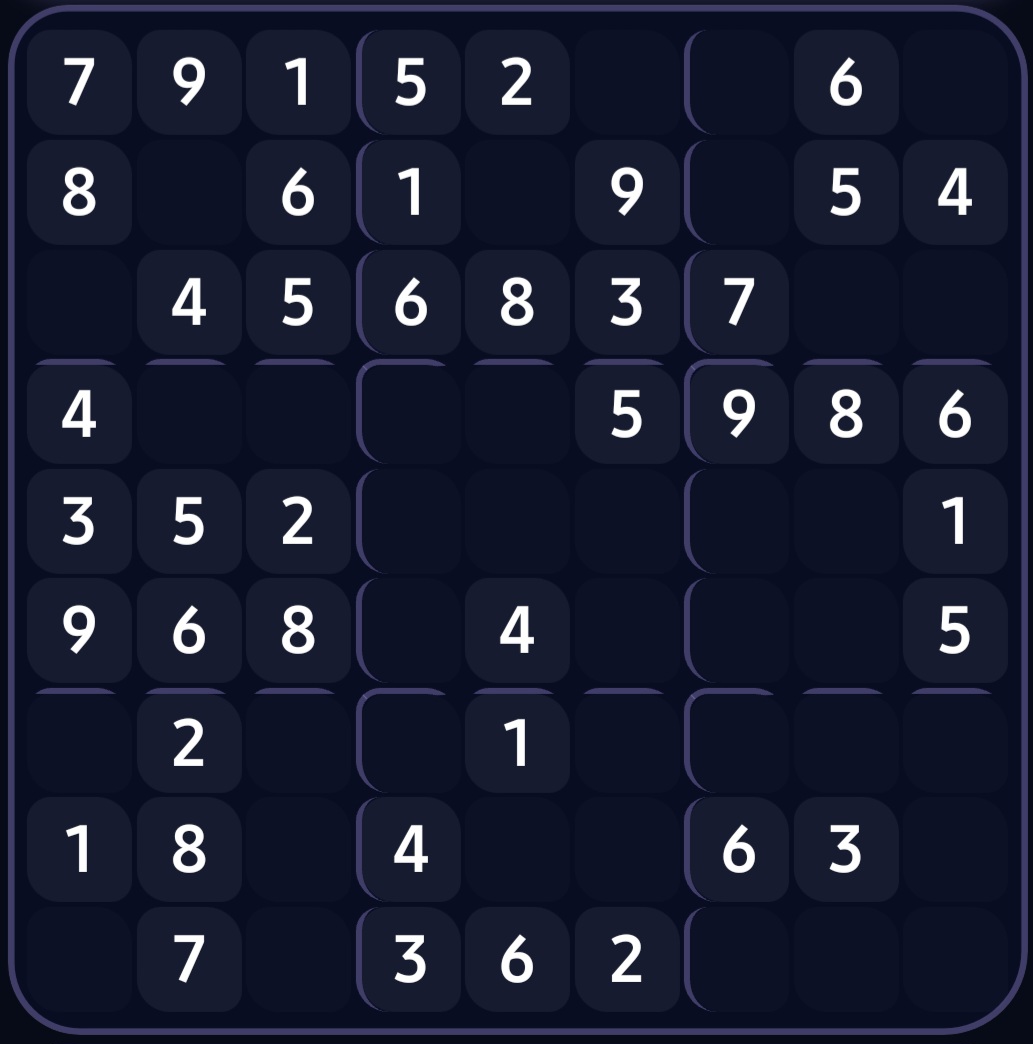
Tap a cell, inspect its row–column–box context, enter a value, receive feedback, recover with notes, hints, undo, or a save. These are the non-negotiable actions. Art can frame them; it cannot obscure them.

  • Clear 4×4 onboarding, classic 9×9 play, and 16×16 Beyond
  • Readable feedback, support tools, and saved-run continuity
  • World-specific symbols that remain one logical value system
02 / Art direction

A universe with one visual grammar

Cosmos, Neon, Sigils, Ocean, and Zen are not five unrelated skins. Each changes palette, ornament, world-map metaphor, and completion language while preserving the player’s learned controls.

  • Cosmos / violet constellations and navigation
  • Neon / cyan power rails and momentum
  • Ancient, ocean, and garden / different emotional pacing
03 / Narrative escalation

Make Cipher a route—not a reskin

The detective layer starts only when a player chooses it. Five fictional cases use a separate evidence ledger and episode progression, so a solved board becomes an investigation key rather than a cosmetic unlock.

  • Five episodes, each with a 36-drawer evidence route
  • Free earned clearance and verified invitation routes
  • Future annual pass clearly separated from active play
Chapter 04 / Game DNA

The architecture is a promise of restraint.

Every essential puzzle system is local. Optional services add utility, never authority over a board. That lets the game be cinematic without making a player wait for a server to continue a deduction.

Read the offline boundary →
  1. Logic coreDeterministic puzzle identity, exact-one-solution verification, progression, and rewards.
  2. Experience layerWorlds, Astra, level maps, sound, haptics, localization, and usable board feedback.
  3. Player continuityOn-device player state, snapshots, active-run restore, Recovery Vault transfer, and local analytics export.
  4. Optional spokesVoluntary AdMob rewards, feedback, sharing, and a future verified store entitlement—never the authority for core play.
Chapter 05 / The World System

A world should explain a mood in one glance.

The visual vocabulary is deliberately compact: different lighting, ornament, glyphs, world-map metaphors, and contextual copy—all built around the same rules.

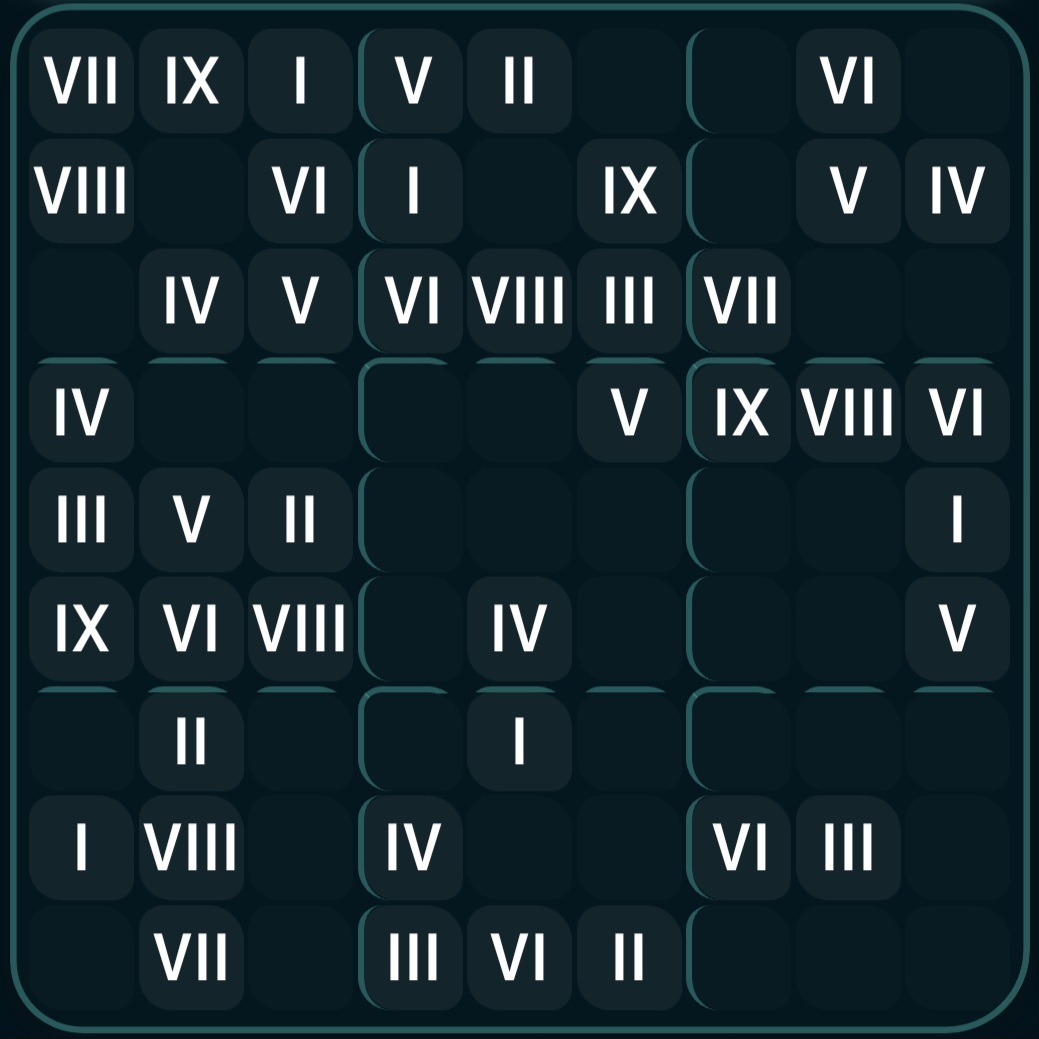
Nariman Number Nebula Sudoku board from the Android game
01✦

Nariman Number Nebula

Cosmic star lanes and constellation routes. The original home world.

Neon Circuit Sudoku board from the Android game
02◈

Neon Circuit

A live arcade district where each clean solve relights the skyline.

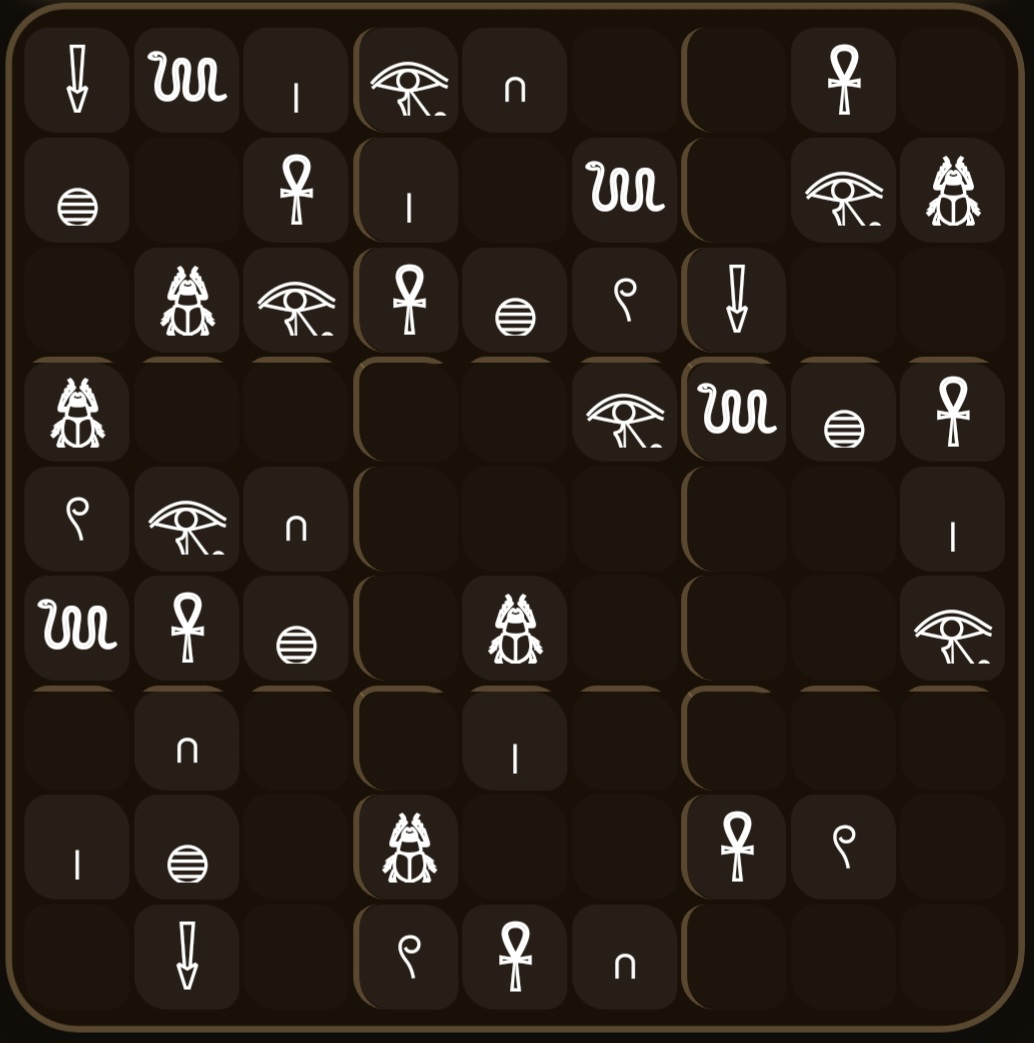
Stone Age Sigils Sudoku board from the Android game
03◇

Stone Age Sigils

Ceremonial locks, relic murals, and a gentle excavation rhythm.

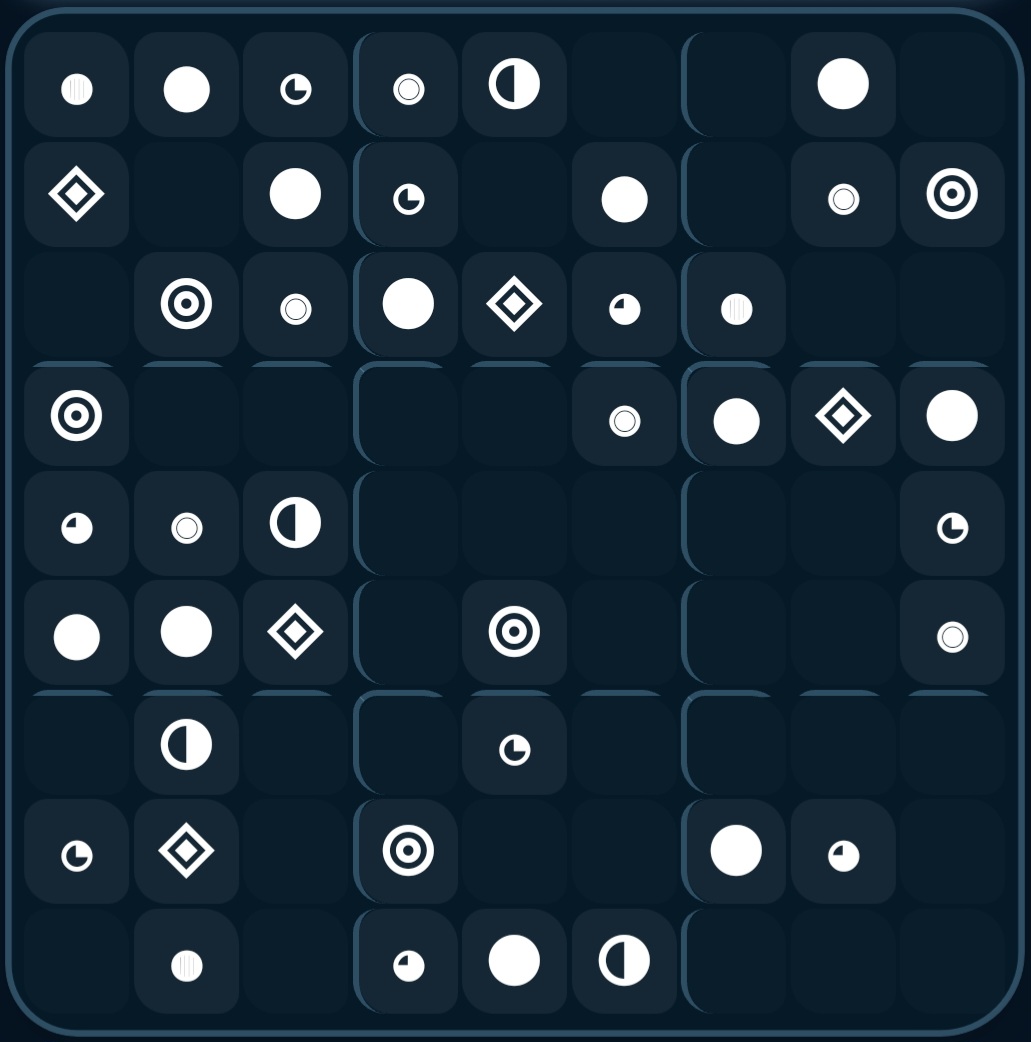
Ocean Pulse Sudoku board from the Android game
04◉

Ocean Pulse

Luminous reef currents that turn row and column flow into a dive.

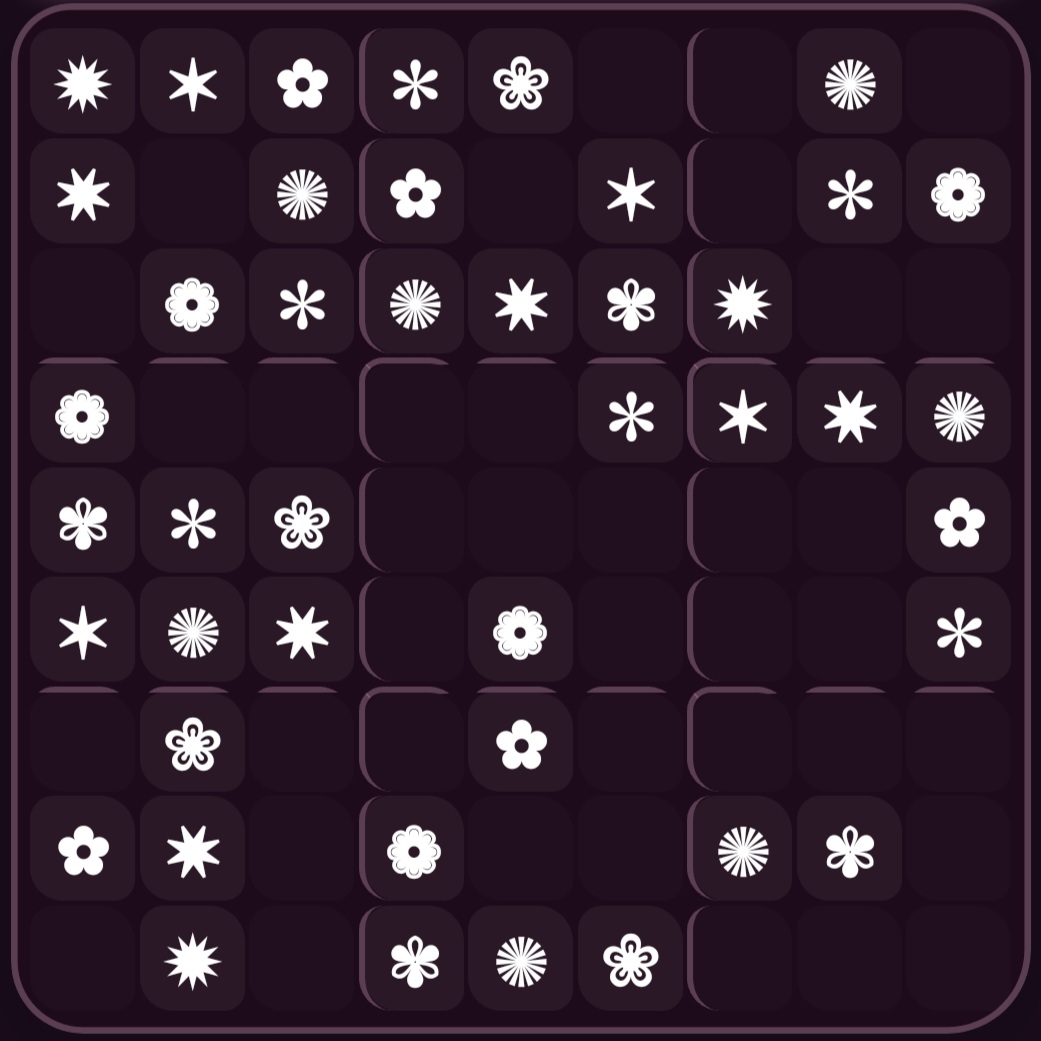
Zen Bloom Sudoku board from the Android game
05✦

Zen Bloom

A quiet garden of petals, control, and ceremonial finishes.

Chapter 06 / Product architecture

Every system serves the next honest move.

The design stack works from the inside out: game engine and puzzle quality first; interface feedback and progression second; world art and story context third. The higher layers cannot compensate for a weak board.

01Puzzle engineUnique boards, valid sessions, difficulty progression.
02Player toolsNotes, undo, hints, lives, clear feedback.
03Journey layersLevels, worlds, badges, daily rhythm, Cipher.
04ContinuityOn-device progress, Recovery Vault, local analytics export.
Chapter 07 / Difficulty as narrative

The ladder turns improvement into a map.

The 1,000-board Android library is organised as five 200-board routes. Difficulty rises through information density and scale, not through a change in the classic Sudoku promise.

  1. 01
    Easy Orbit

    200 generous-to-tighter 9×9 boards for visible pattern confidence.

    9×9
  2. 02
    Medium Drift

    200 9×9 boards with one fewer clue at entry and a denser information field.

    9×9
  3. 03
    Hard Surge

    200 9×9 boards that continue beyond Medium through measured pressure bands.

    9×9
  4. 04
    Killer Apex

    200 final 9×9 boards. Standard classic rules; no cages or sum clues.

    9×9
  5. 05
    Beyond Infinity

    200 16×16 boards with 4×4 regions and a different scale of observation.

    16×16
Chapter 08 / Cipher

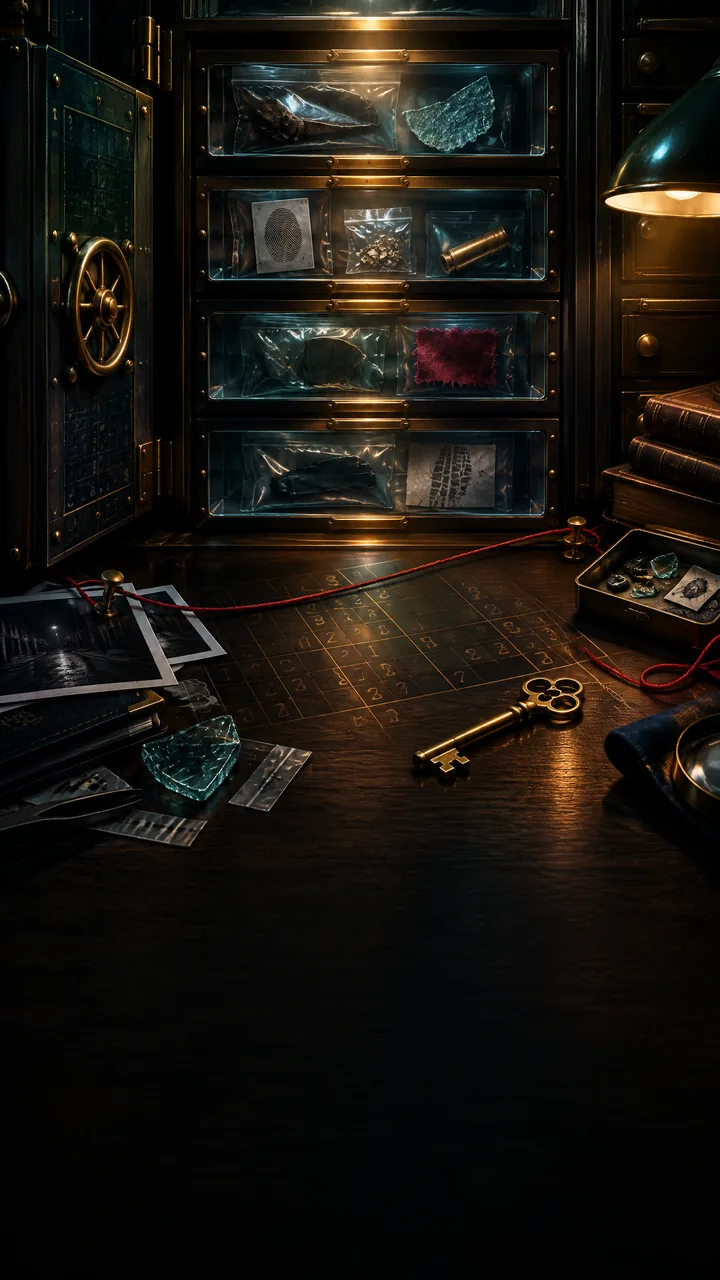
When the game wants a second layer, it opens a cabinet—not a new rule book.

Cipher takes the same logic discipline into five fictional episodes. Each solved board restores an investigation key. Each key opens part of a brass-and-paper archive. The story is an optional layer of meaning for players who enjoy a sequence of evidence and case atmosphere.

Visit the Cipher series →
Cipher evidence vault from the Android game
Sudoku CosmosCipher / a case route beside the main worlds
Chapter 09 / Offline-first

Player progress should not become a server negotiation.

The Android game is designed around local progress. It preserves the core loop on-device and exposes a Recovery Vault transfer mechanism for a player moving to a new phone, without forcing an account or cloud identity into a quiet puzzle ritual.

The privacy line is deliberate: a local experience can still offer optional rewards, updates, and support, but the product must distinguish core play from network-dependent services honestly.

Read the offline capability note →
ON DEVICEboard state
world settings
progression
local analytics
→PLAYER CONTROLLEDencrypted Recovery Vault
PIN + recovery key
Chapter 10 / The next iteration

A carefully scoped annual pass belongs after the product and the store foundation are ready.

The planned USD 20 Cipher annual pass is a future Play Billing design, not a simulated checkout. Its job is to clarify access and entitlements without weakening a player’s trust in the game’s free and earned routes.

See store status →